



We Have The Knowledge
Headphones
Which size headphones are best for me?
Earphones (in-ear)
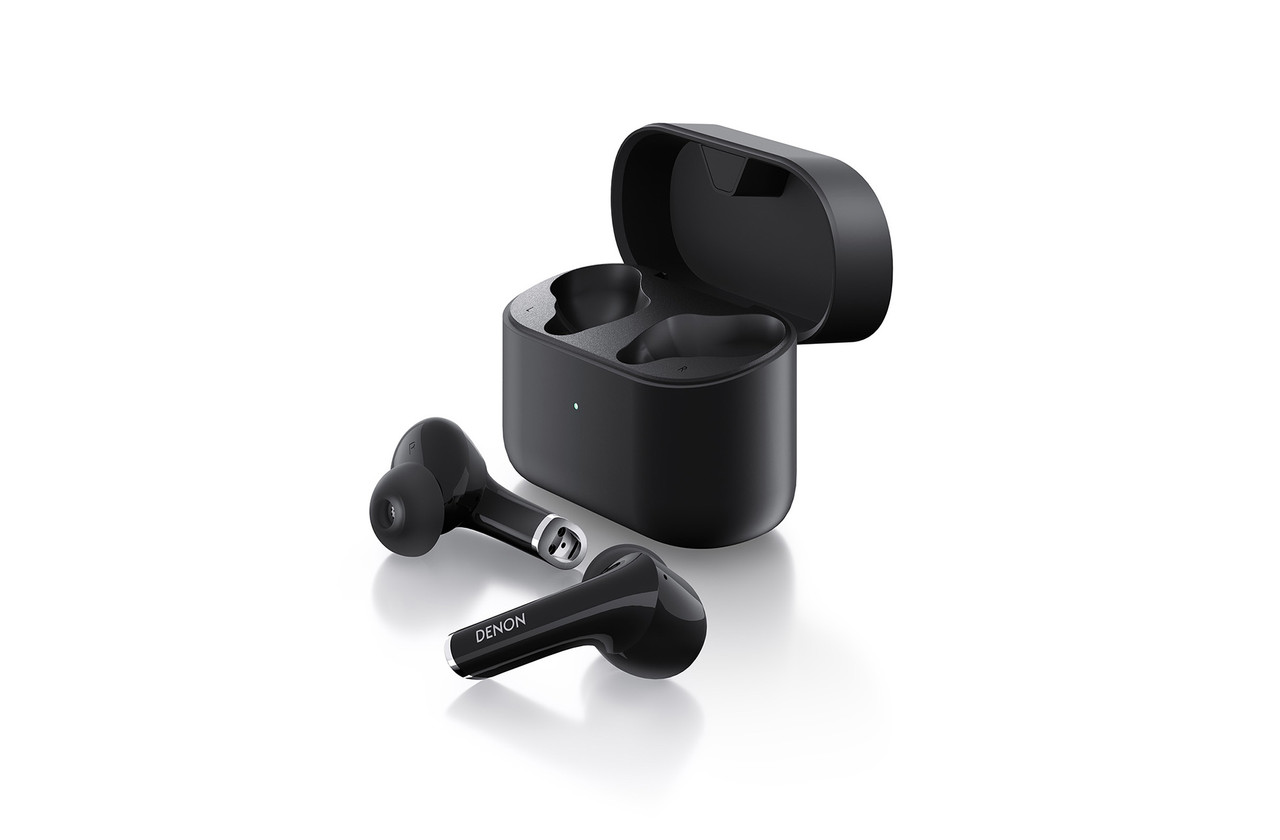
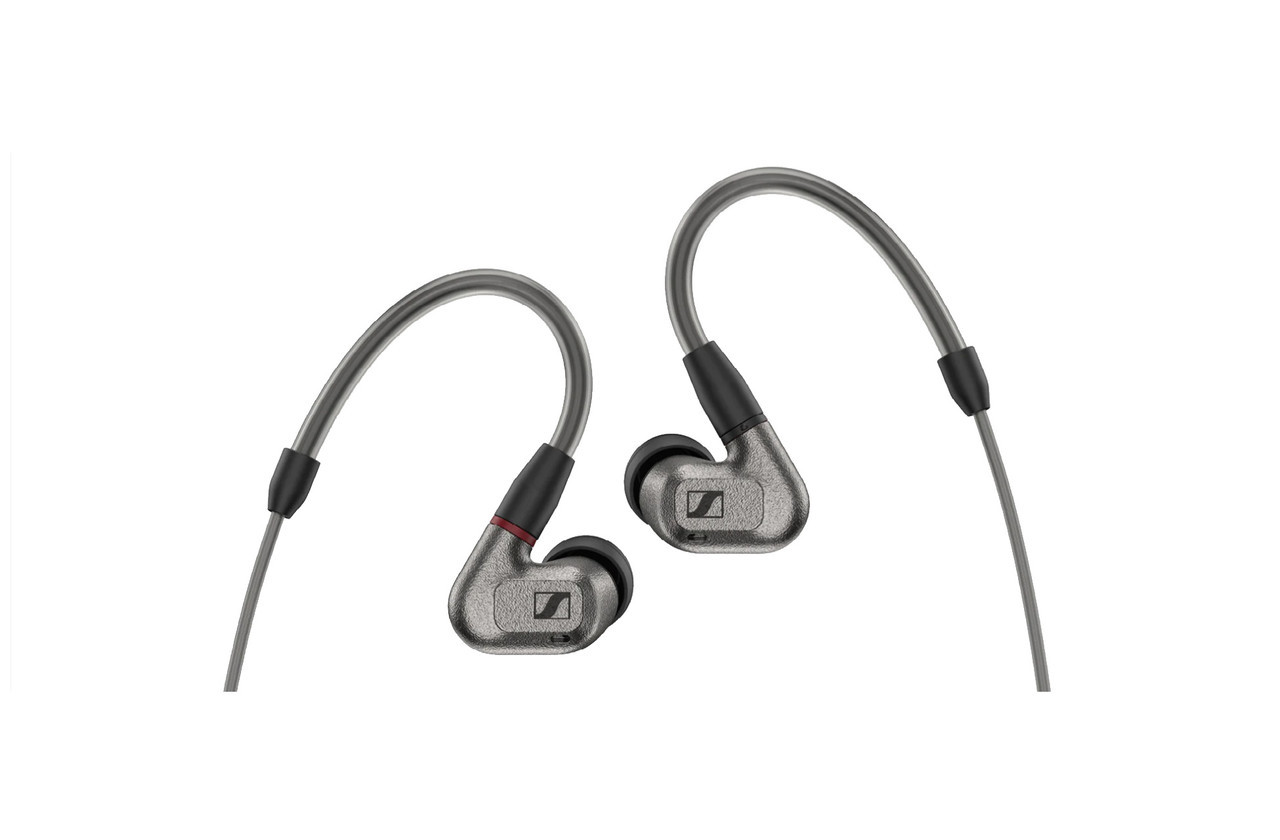
Starting with the smallest headphone type, earphones are small, light and perfect for travel. As they're often provided as standard with your phone or portable device, you can get an instant sound boost simply by upgrading the supplied earphones. Available as wireless earphones for versatility and wired earphones for the ultimate sound quality, both types are small enough to fit in your pocket.
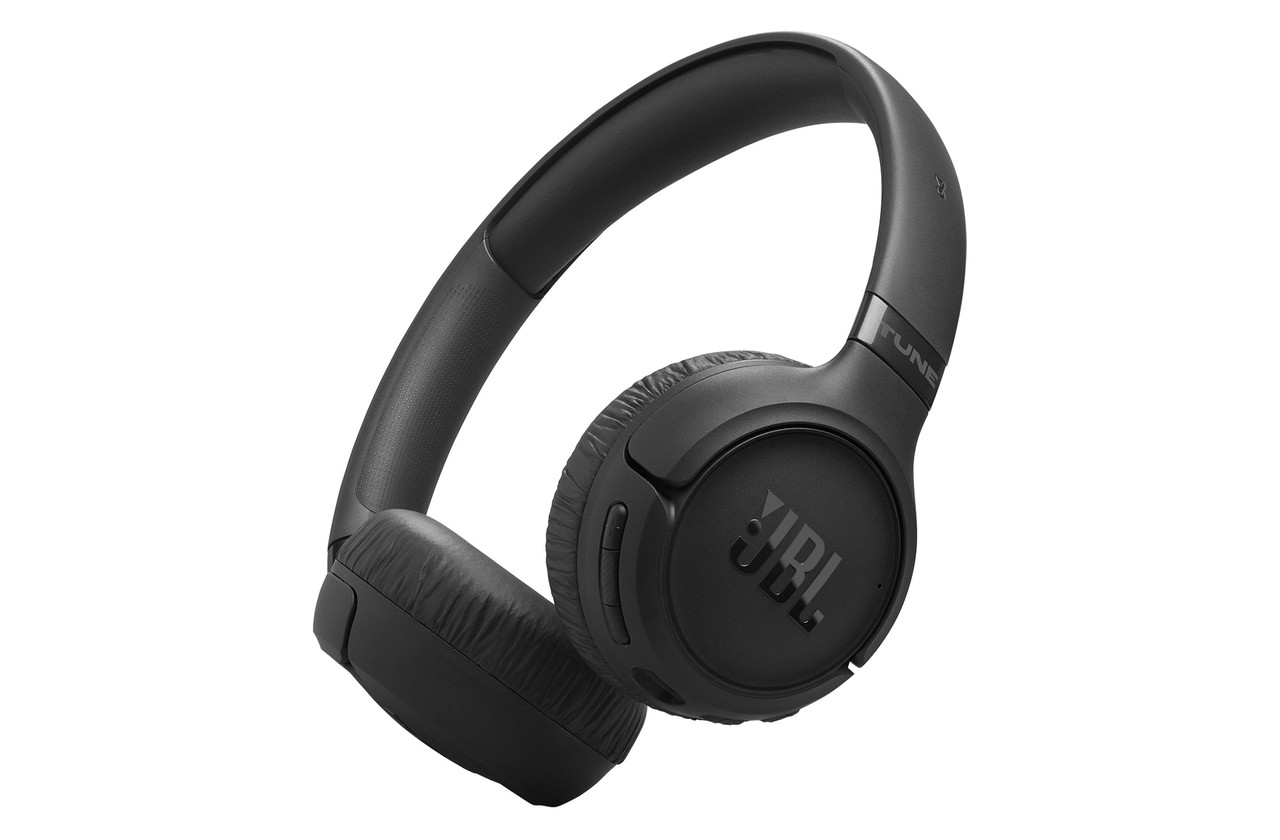
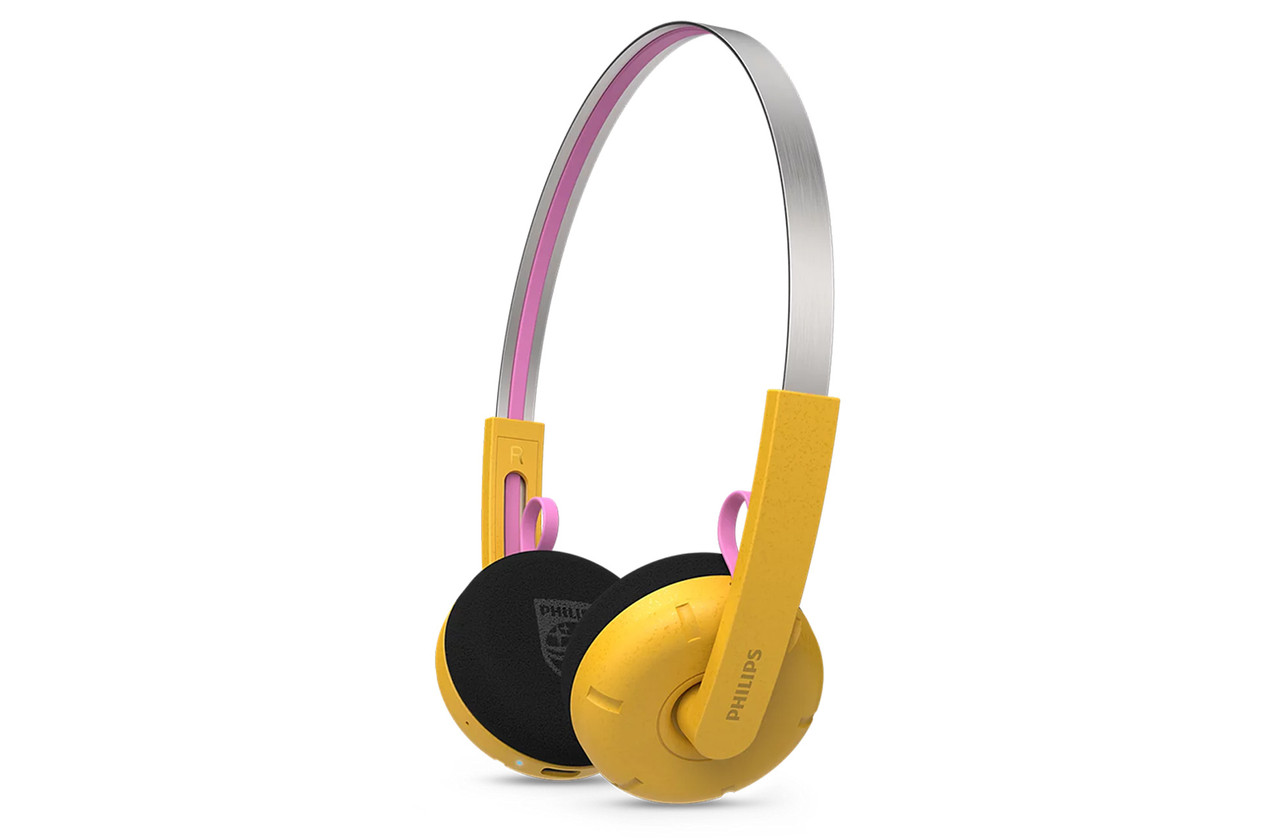
On-ear headphones
For more substantial sound on the move or for a general purpose pair of travel/home headphones, take a look at on-ear headphones. Although larger than earphones, these generally offer a more dynamic sound and greater long-term listening comfort. Smaller than over-ear designs and usually fitted with folding earcups, they’re easy to pack into a bag or coat pocket. Available as wired or wireless, check that the plug size is right for your system if you go wired, as you may find you’ll need a 3.5mm – 6.3mm adapter plug.
Over-ear headphones
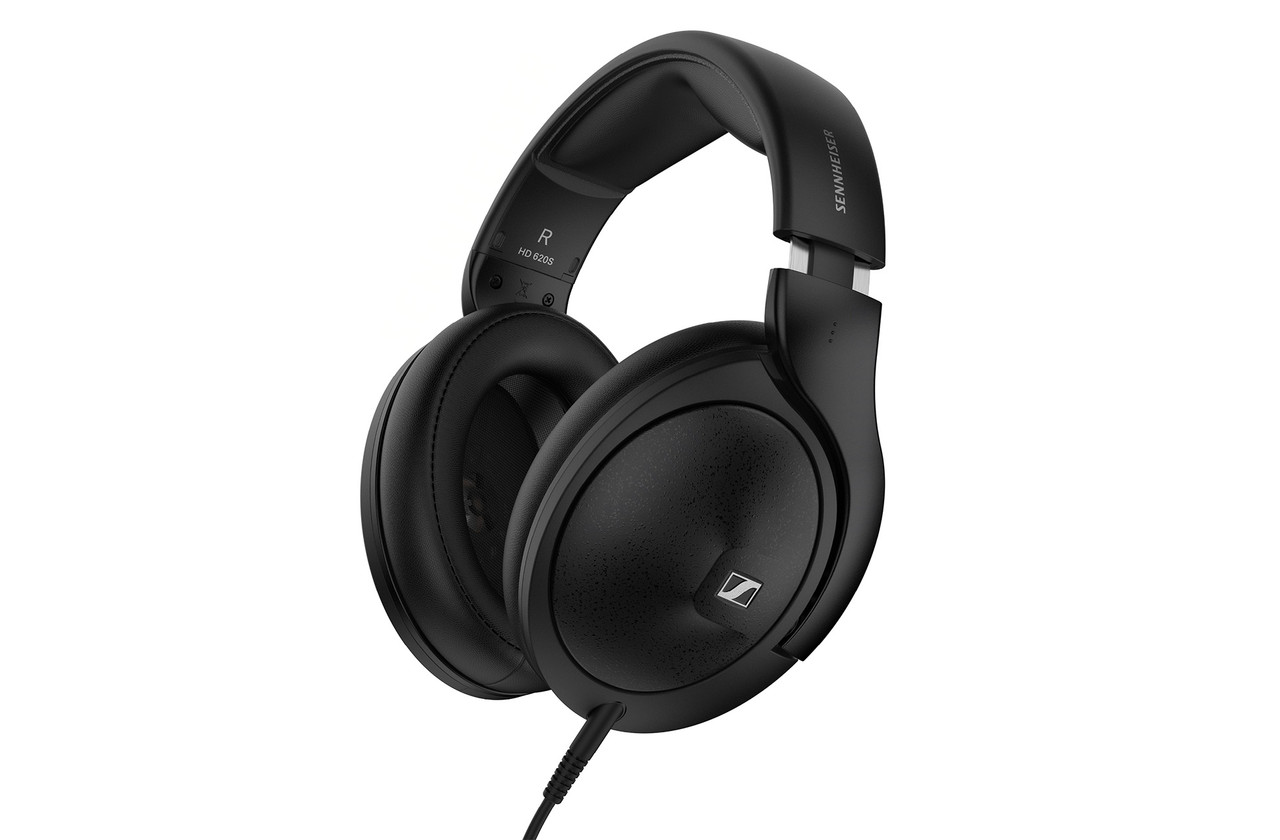
If you’re going to be using headphones purely at home, work or a studio, then over-ear headphones are often the best bet. As the name suggests, over-ear headphones envelop your ears for supreme comfort and the highest level of passive noise isolation, helping you block out the background and focus on the music. As with on-ear headphones, they’re also available in wired and wireless options. This time, though, the wired versions often come fitted with a 6.3mm plug, so you may need a 6.3mm – 3.5mm adapter plug.
What’s the difference between the various types of headphones?
Wired
Wired headphones have been with us for over a hundred years and are a familiar part of everyday life. Available at all price ranges, wired headphones deliver a simple, battery-free solution. As well as putting to rest any battery life anxiety, wired headphones deliver superior sound quality on a sound-per-pound basis, which is why high-end headphones are predominantly wired and not wireless. Just like with speaker cables, higher quality headphone cables can open up the sound and reduce interference. For sustainability, look for headphones with replaceable cables. If your headphones’ cable isn’t quite long enough, check out our range of premium quality headphone cable extensions.
Wireless
Once a more niche option, wireless headphones have exploded in popularity since the removal of smartphone headphone jacks and the wider availability of Bluetooth outputs. Wireless is a great option when you're out and about, going on a run or getting in a pump at the gym. Going cable-free means a range of around 10 metres, or more, giving you much more freedom of movement than going for a wired option.
ANC (Active Noise Cancellation)
The perfect choice for travel and noisy homes and office spaces, ANC headphones cut out the background noise to bring calm to your world. Using a noise measuring mic array and algorithm processing, noise around you is measured and cancelled, ensuring you hear every element of your music. Not all ANC headphones are made equal, with the number of mics and quality of processing improving as you go up the range, making them even more effective. For seamless communications, look out for models with noise-cancelling vocal mics, making it easier for your caller to hear you in blustery and crowded environments.
Gaming headsets
Designed specifically for the task, gaming headsets are a must for all serious gamers. If you’re wondering what makes a gaming headset, the answer is that they’re supplied with a (sometimes detachable) boom microphone. Most feature audio that’s optimised for gaming, letting you hear the faintest sounds. Wireless models provide a low latency connection, giving you a split-second advantage over your gaming opponents.
Sports headphones
Music motivates us to reach our PB, which is why it’s important to use headphones that can withstand the toughest workouts. Our range of sports headphones fit securely and are resistant to sweat and water splashes, with higher spec models being fully waterproof. Many models use an open-ear design (see Bone Conducting section below), with the headphone hooking to your ear and firing the sound from above rather than sitting inside. This makes them ideal for outdoor sports where you need to maintain situational awareness.
Kids headphones
Kids headphones are tailormade for the perfect introduction to a lifelong love of music. Smaller and more comfortable for kids than regular headphones, they’re much better suited to smaller heads. Most kids headphones are also fitted with technology that limits the maximum output, protecting sensitive hearing from excessive volume levels.
Related products
View the full range here
Tell me about headphone tech
Open / closed back
After choosing the size of headphones that best suit you, the next step is often deciding between open-back and closed-back design. The fundamental difference is that closed-back headphones are encapsulated at the back, meaning that all of the sound is channelled into your ears. Open-back headphones have an open structure, meaning they project sound in all directions. Which is best is entirely down to personal preference. Open-back designs tend to sound more spacious and three-dimensional, with the downsides being they let more ambient sound in and leak sound out. Closed-backs provide better passive noise isolation and can sound more intense, but the downside is usually less spacious sound.
Dynamic vs Planar Magnetic
The majority of headphones work just like speakers where electrical energy moves a voice coil within a magnet, causing a diaphragm (cone) to vibrate. It’s this vibrating cone that creates the sound we hear. This tried and trusted method is known as a dynamic speaker and can still reproduce stunning results. Other methods do exist, however, including the increasingly popular planar magnetic design. In a planar magnet design, the driver is flat and pushed and pulled by magnets on either side. The major sonic difference is in the bass – planar magnets tend to go deeper and punch harder, with superior bass texture and extension. As to which best suits you, we’d recommend an extended listening demo with your favourite music.
Bone conduction (open-ear)
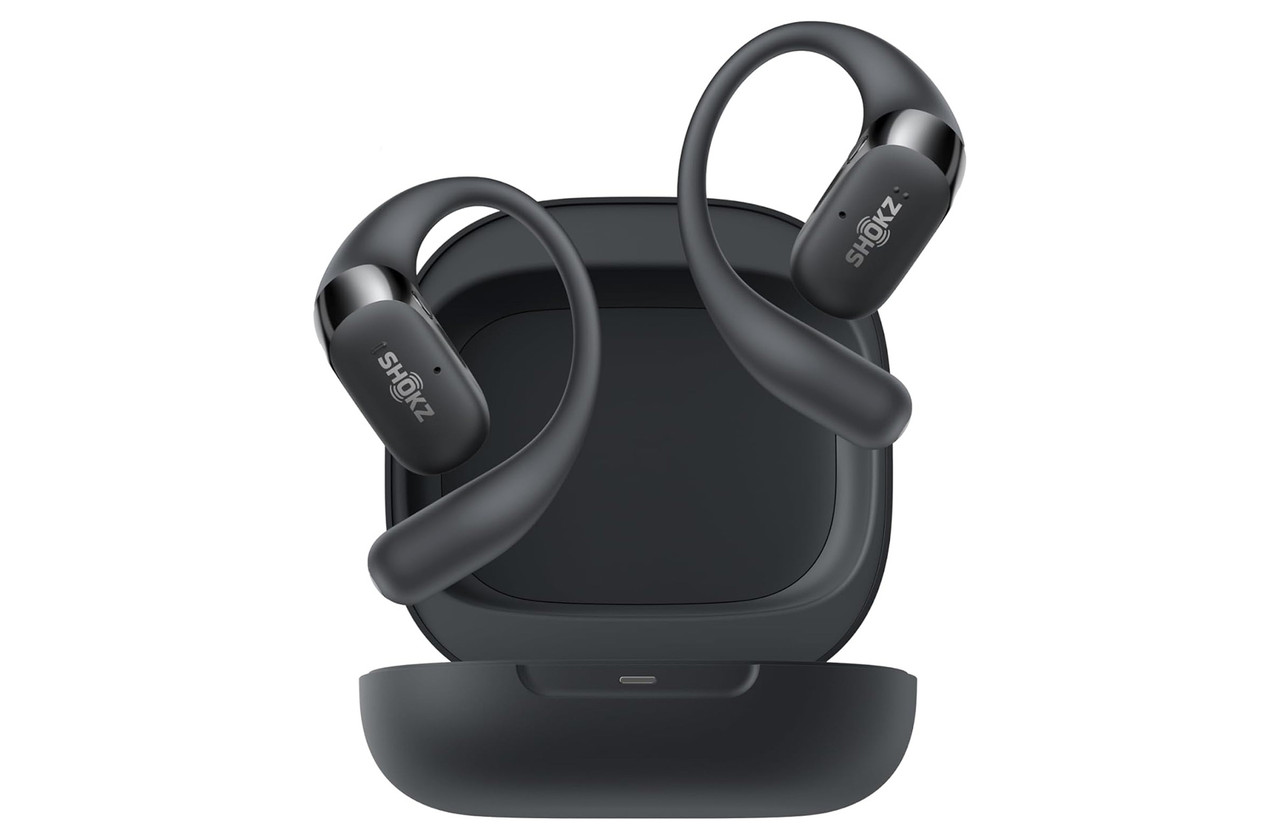
If you’re looking for some sports earphones, you may have come across Bone Conduction tech. As the name suggests, these earphones use bone conduction to transmit sound vibrations directly to the inner ear. The earphones sit to the side of your ears rather than in them, meaning that you’re still aware of your surroundings. Ideal for running, cycling, climbing, the gym and other activities, open-ear bone conducting earphones hit the perfect note in combining music, sport and situational awareness.
Spatial audio
Spatial audio is becoming increasingly popular, especially with headphones used for movies and gaming. The tech uses powerful processing with HRTF (Head-Related Transfer Functions) to accurately mimic true surround sound. Some systems also use dynamic head tracking with motion sensors to anchor the soundstage to the screen. Spatial Audio transforms gaming, especially Role-Playing Games (RPGs) and multi-player online games, where being able to locate precisely where sounds are coming from is vital. Related systems such as Sony’s 360 Reality Audio and Dolby Atmos for headphones deliver a cinematic sense of surround sound with movies.
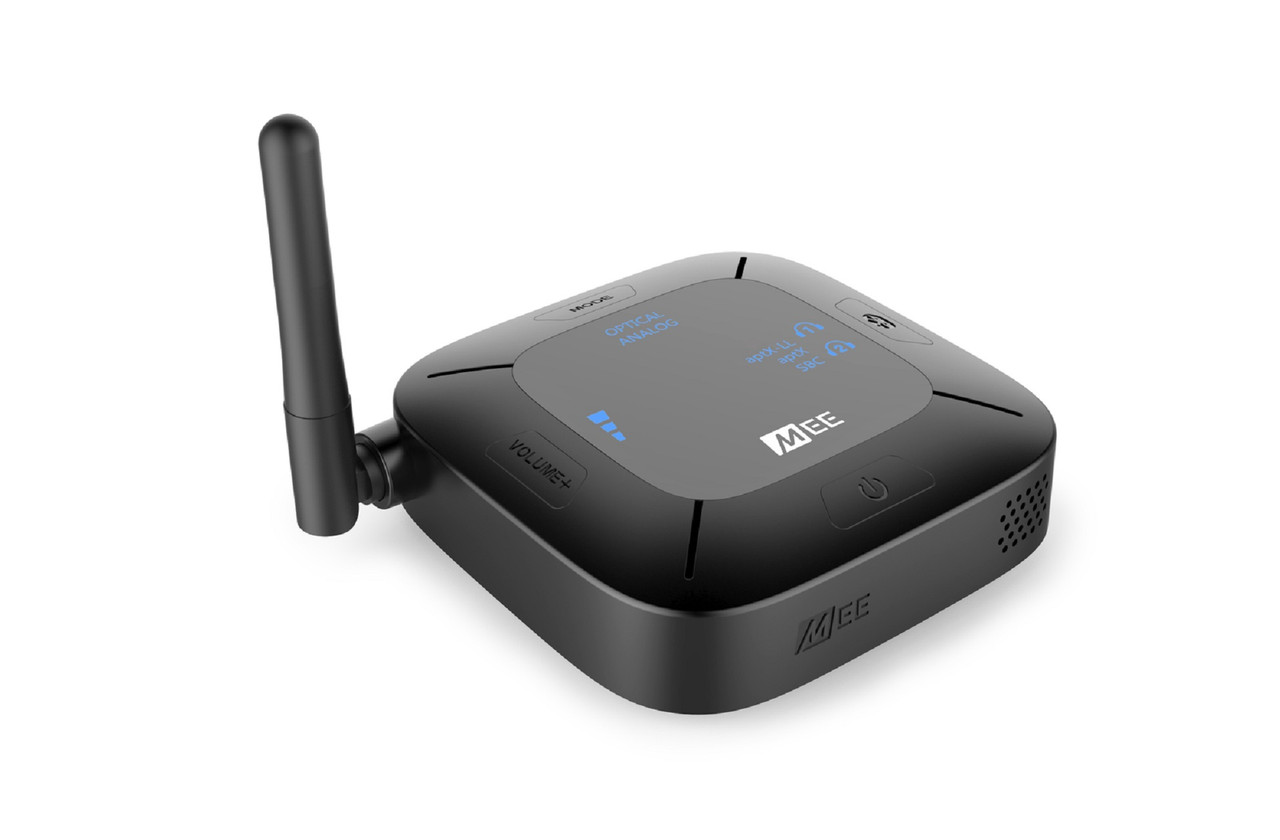
Bluetooth and wireless Hi-Res audio
What began as functional but far from sonically perfect, Bluetooth has blossomed over recent years. Thanks to Qualcomm’s aptX technology, Bluetooth sound quality (and efficiency) has steadily improved. For superior Bluetooth sound quality, look for aptX HD or aptX Adaptive for more detailed sound or, better still, aptX Lossless which is incorporated into Snapdragon Sound circuits. For the ultimate in wireless sound quality, check out headphones supplied with dedicated USB-C wireless dongles. These offer true Hi-Res Audio compatibility (usually to 24-bit/96kHz), for exceptional audio precision and lifelike reproduction – made wireless.
How do I get the best from my headphones?
USB headphone amps / DACs (for travel)
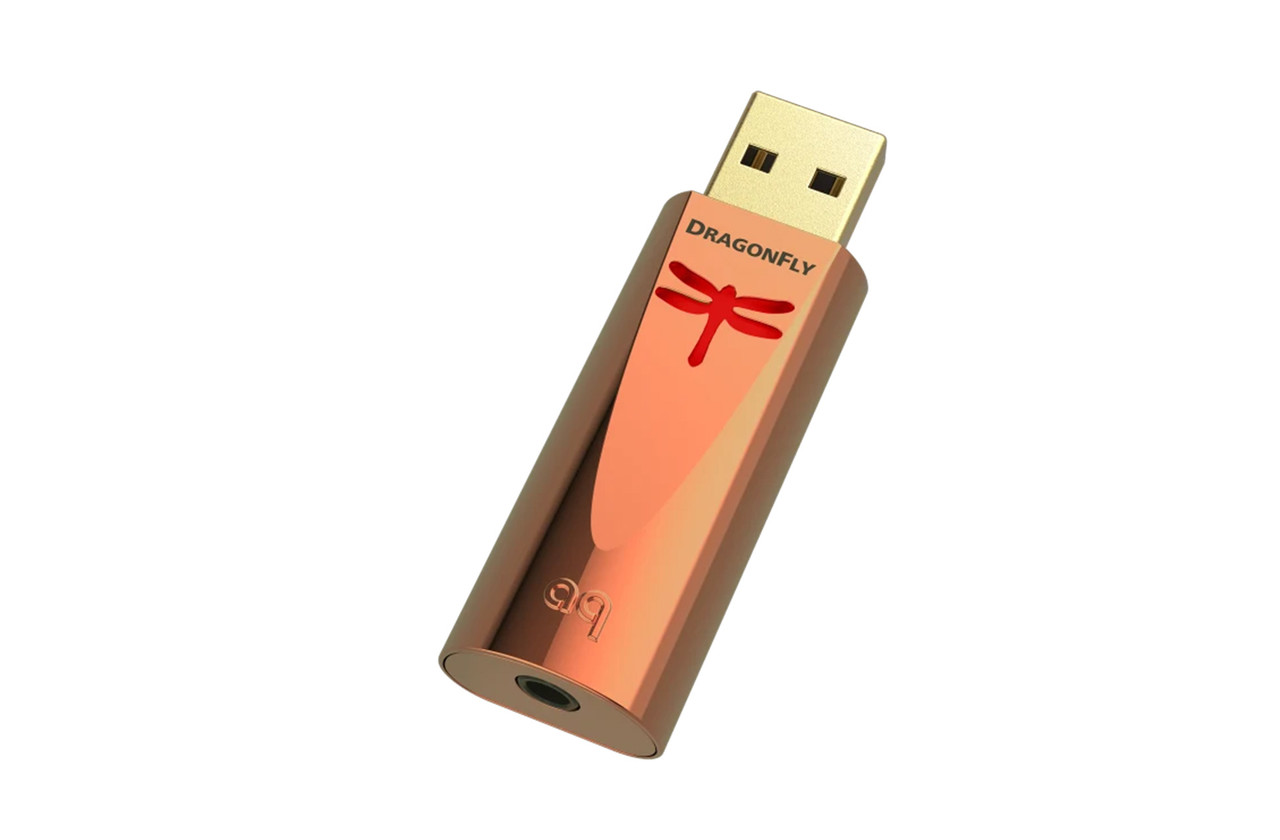
Whatever the size and type of wired ear/headphones you’re using for travel, the sound can always be improved by adding a bespoke headphone amp / DAC. About the size of a USB memory stick, these nifty devices plug straight into your smartphone, tablet or laptop’s USB-A or USB-C interface. The DAC section (Digital to Analogue Converter) built into these amps is usually more advanced than your main device, meaning you get a more detailed sound. Meanwhile, the amp is often a lot more powerful (usually around 3x to 5x more powerful than a premium laptop), helping to really flesh out your ear/headphone’s sound, with a deeper, richer balance at all volume levels.
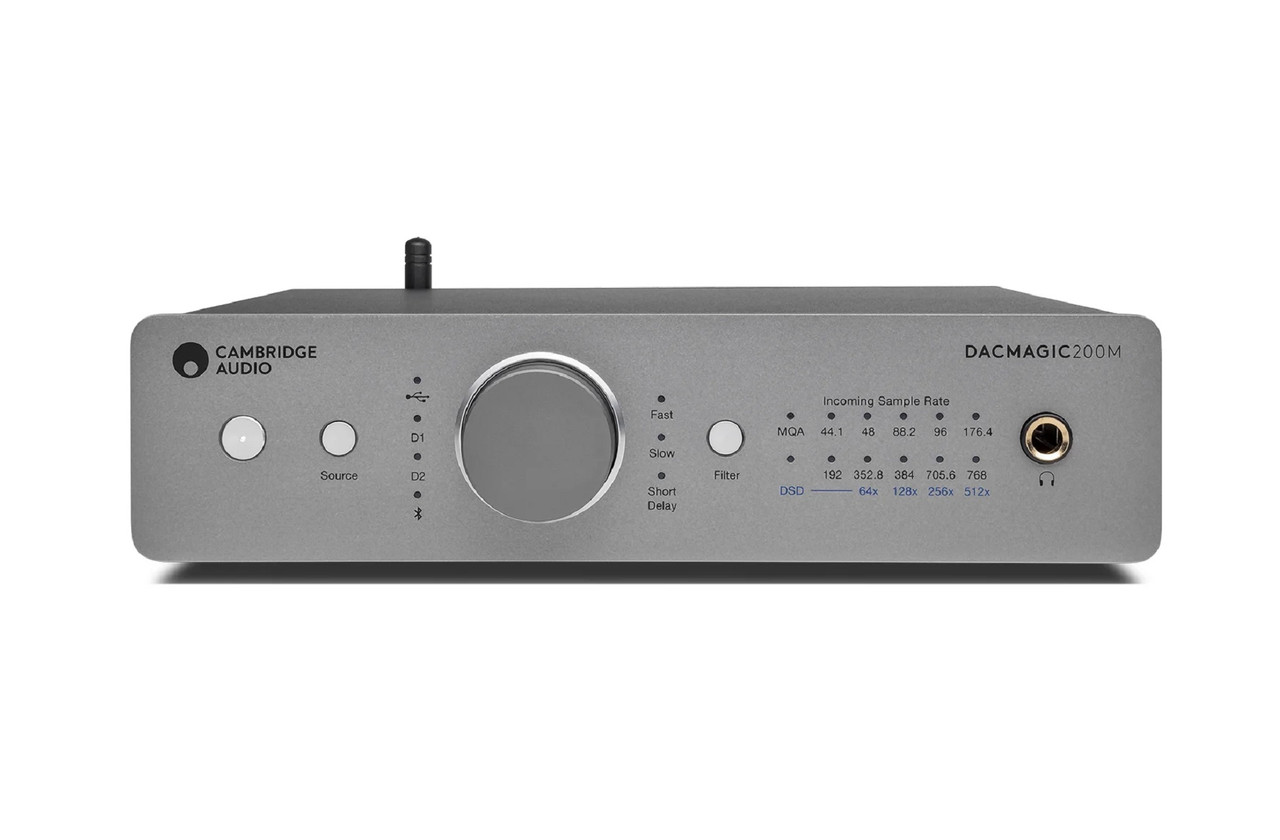
Headphone amps / DACs for home use
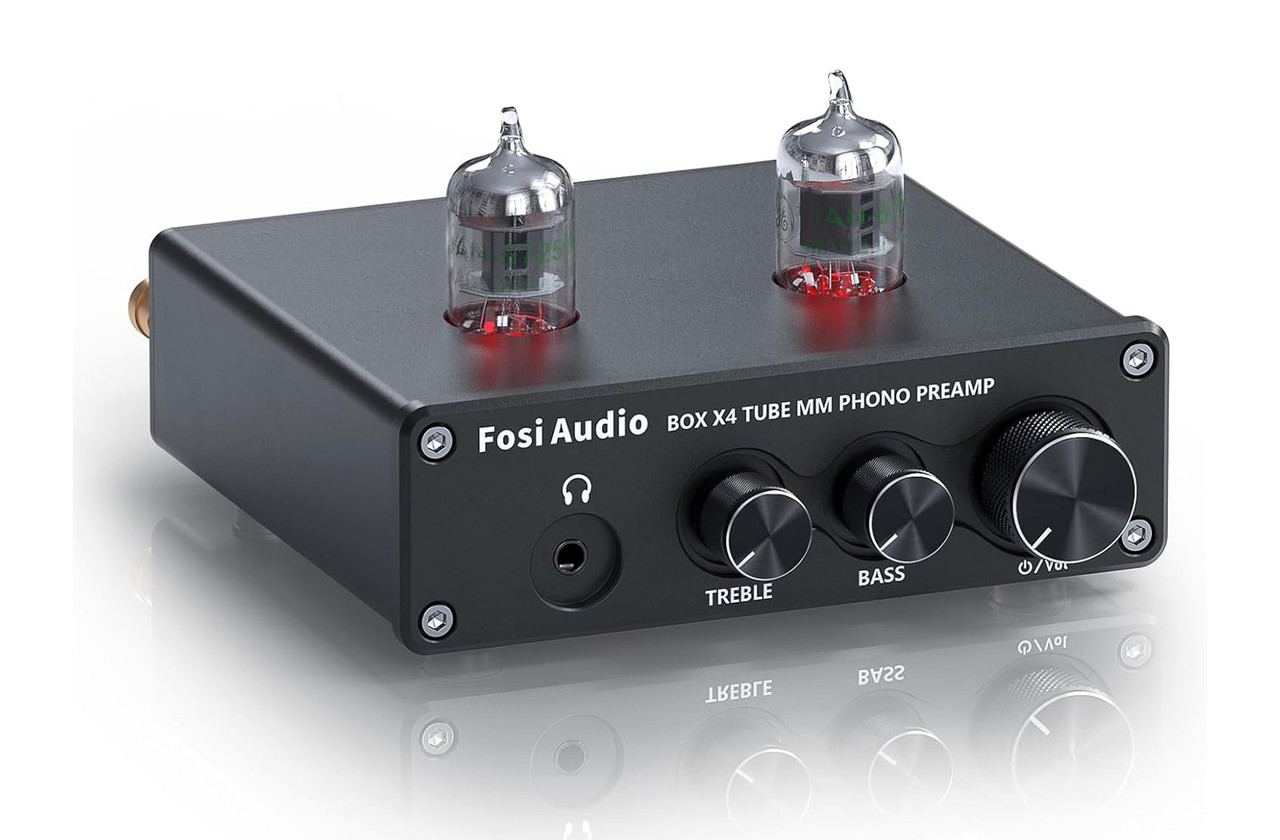
Listening to headphones at home is transformed by adding a dedicated headphone amp to your system. Using dedicated power supplies, with bespoke transformers, these easily outperform most hi-fi amps' built-in headphone socket. That extra power doesn’t just ensure a more full-bodied sound, it also widens your choice of potential headphones, with inefficient models now an option. More than just powerful, a dedicated headphone amp will often use premium quality components that are designed to lower noise and distortion, meaning that you get to hear subtle detail that was previously masked by hiss. Just as with the USB travel versions, many headphone amps for home also feature a built-in DAC. This ensures that any digital input is treated to the latest digital conversion tech, for the highest precision sound.
FAQs
Is RGB Mini LED better than OLED?
RGB LED technology represents an exciting development in television display design. By combining direct red, green and blue illumination with advanced display engineering, it aims to deliver brighter images, richer colours and a more immersive viewing experience.
For viewers seeking a premium TV that performs exceptionally well across movies, sport and gaming, RGB LED offers a compelling new option in the evolution of home entertainment.
What brands of RGB Mini LED are currently available?
2026 has seen a burgeoning of RGB Mini LED TVs, with six major players in the field and others coming soon. Hisense were early adoptees, with close rival TCL now offering an impressive range too. Samsung call their models ‘Micro RGB’ which is not to be confused with MicroLED TV (see below). Sony also use a variation on the name – True RGB LED. LG and Philips are the latest manufacturers to the RGB Mini LED party, with high-end models initially available.
Is RGB Mini LED good for gaming?
Often available with high refresh rates up to 165Hz, RGB Mini LED TVs make a great choice for gaming. Their high brightness and expansive colour complement game graphics, while the high number of dimming zones sharpens up the detail. The technology also delivers no burn-in risk, making it perfect for static gaming content.
Is RGB Mini LED the same as MicroLED?
No, MicroLED is an even more advanced TV tech that, like OLED, operates on an individual pixel illumination level. RGB Mini LED TV is like regular Mini LED TV in that it features backlit zones – the more zones the better the contrast and detail. MicroLED uses three tiny red, green and blue LEDs per pixel, making it highly complex and, at this stage, expensive for regular TVs.
Will RGB Mini LED replace Mini LED TVs?
Just as LEDs replaced fluorescent tube LCD TVs, there’s every chance that RGB Mini LED will, in time, replace Mini LED TVs. Although still a premium TV technology, 2026 has seen an explosion of more affordable RGB Mini LED TVs, cementing its place as a mainstay TV technology.
Related products
View the full range here
Shop our full range of headphones here.
If you would like to try some headphones out before you buy, get in touch with your local Richer Sounds store who will be happy to help.